Royal Expert Says Epstein Files Showed a King Who Appears 'Weak’ Over Andrew Issue
An expert warns King Charles’s handling of his brother is testing public patience and royal authority.
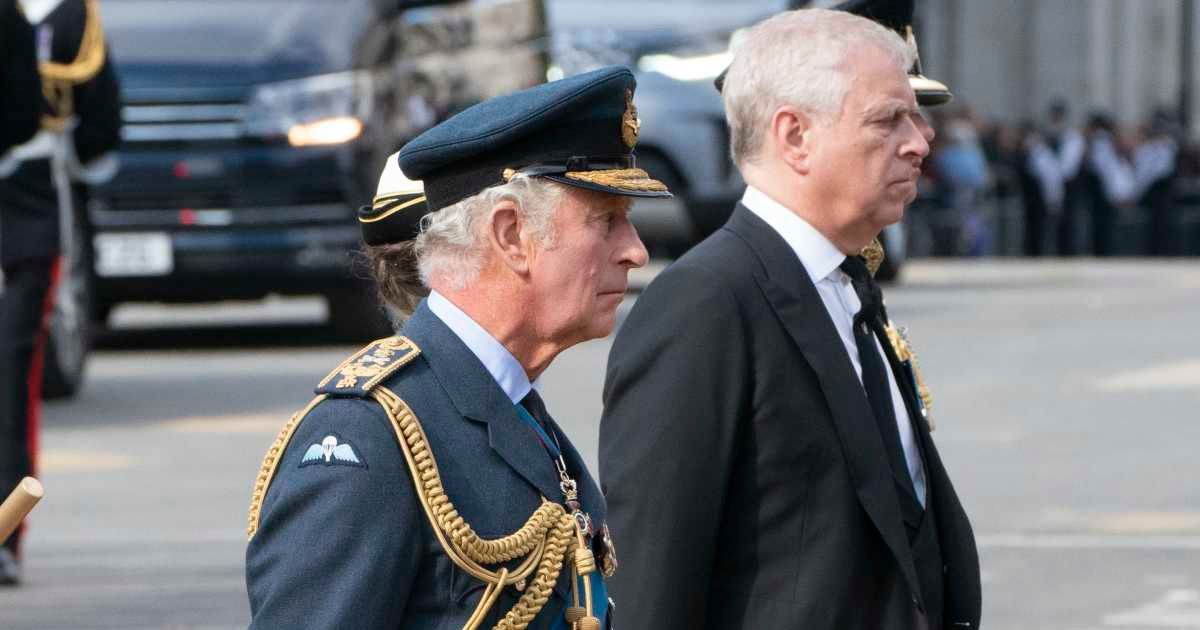


For several years now, the House of York has been the cause of the slow reputational decay of the monarchy. And now with the latest release of the Epstein files, it may be argued that things have reached a point of no return, not only for Andrew Mountbatten-Windsor, but also for the monarchy that continues to shield him. Historian and royal biographer, Andrew Lownie, believes the moment demands reckoning.
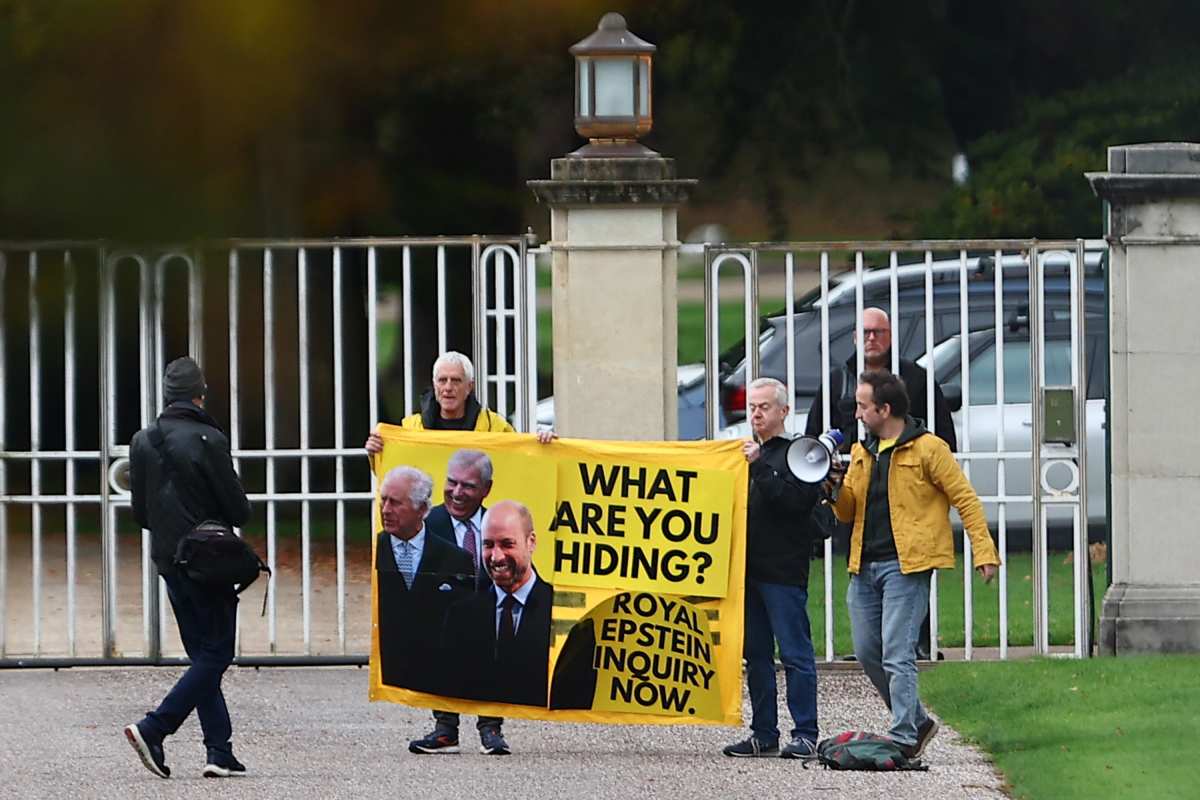
Taking to his Substack, Lownie warned that the newest tranche of Epstein-related revelations should be seen as a decisive turning point for the royal family, one that not only exposes Mountbatten-Windsor’s scandals, but also King Charles’s increasingly precarious leadership. “They should see it as an opportunity to secure their future and their reputation by allowing the authorities to fully investigate Andrew,” Lownie writes. Instead, he argues, the Palace response has once again been hesitant, defensive, and dangerously short-sighted. While the Duke of York has been stripped of his military affiliations and patronages, the deeper issue, that of accountability, remains consciously untouched.
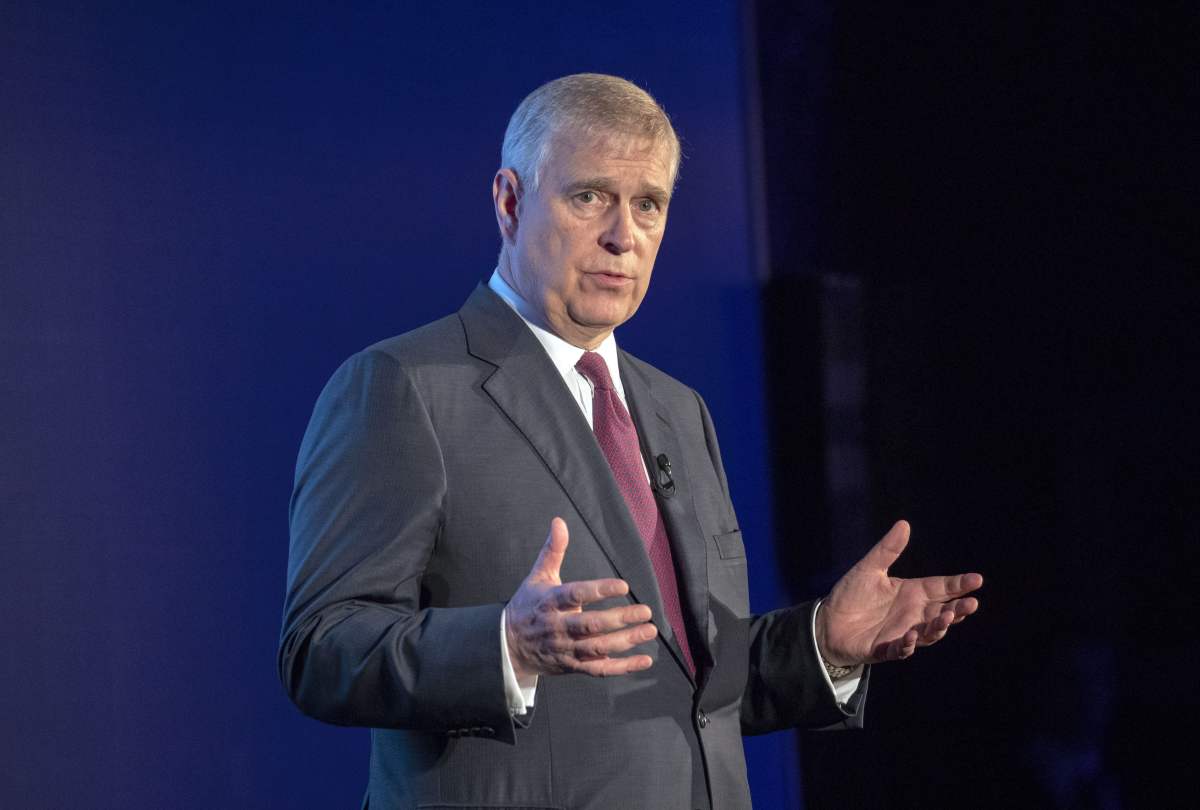
Lownie’s criticism stems from the perception that Charles appears unable, or unwilling, to draw a definitive line. According to the historian, Mountbatten-Windsor continues to exert undue influence behind the scenes, which can be a fact, especially after reports said that the disgraced royal has issued a list of demands should he relocate to the comparatively modest Marsh Farm residence. “The fact is that King Charles appears weak, with Mountbatten-Windsor still being allowed to dictate the terms,” Lownie said, pointing to the reported conditions attached to any move into what has been described as the ‘poky’ property.
Lownie also challenges the Palace narrative of the former Prince’s so-called fall from grace, if there was ever much grace to fall from in the first place. While Charles did remove his brother’s titles and official roles, the biographer suggests the timing reveals more about public pressure. “Yes, Charles took his titles away, but not because of what he found out — rather because of what we, the public, found out.”
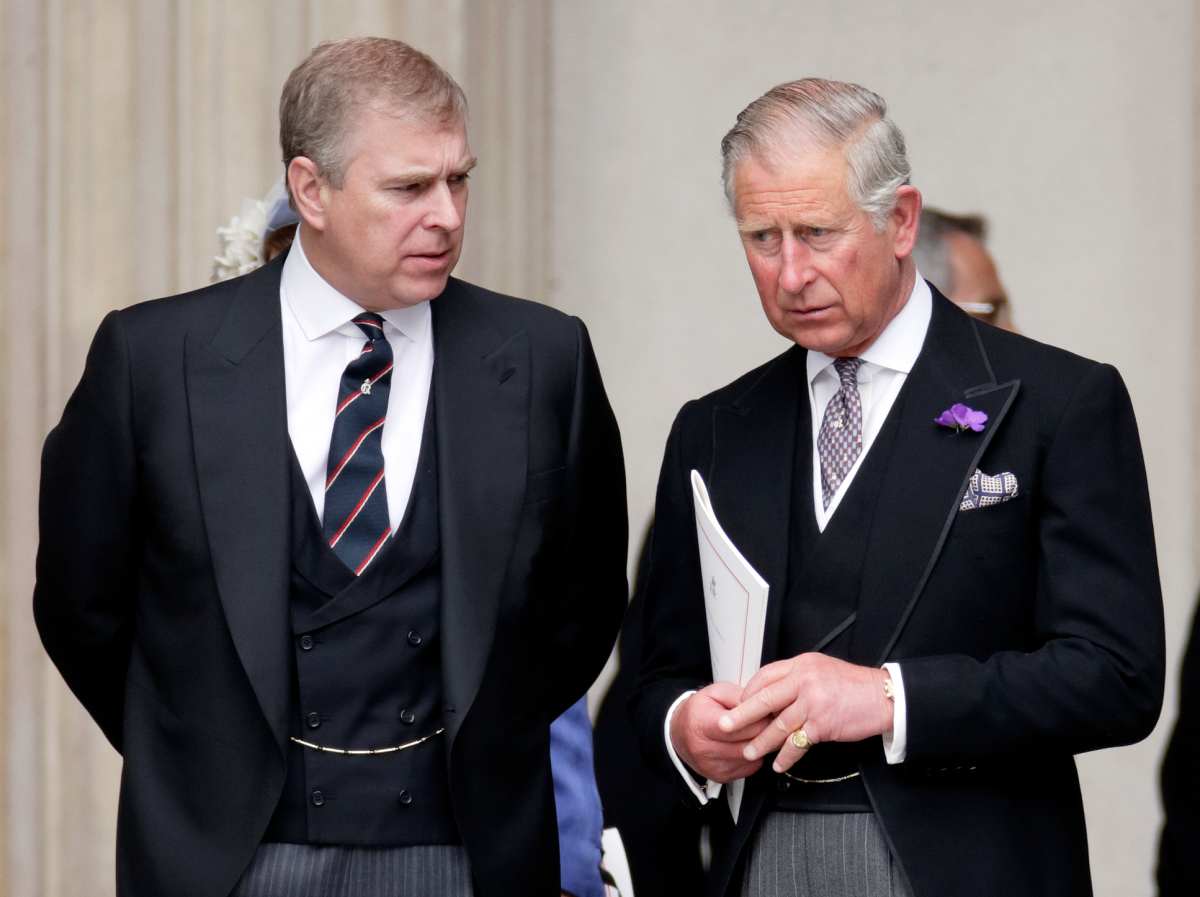
Crucially, Mountbatten-Windsor and Sarah Ferguson continue to technically retain the Duke and Duchess of York titles. Fully stripping them, Lownie notes, would require an Act of Parliament — an option the Palace has so far avoided, further fueling accusations of half-measures and institutional timidity. For Lownie, this pattern of caution has defined the monarchy’s handling of the scandal from the very outset. Rather than confronting the issue head-on, the royal family has, in his words, consistently reacted only when forced, allowing revelations to dictate their next move instead of setting the terms themselves.
“The royal family has been shamefully passive and reactive throughout this story,” he said. “They have long known the truth.” That prolonged inertia, Lownie warns, is eroding public trust at an alarming pace. With each new Epstein-related disclosure, patience wears thinner, and the monarchy’s credibility takes another blow. “Public patience is at breaking point because of this,” Lownie said, adding that “the integrity of the monarchy will continue to take a battering until they become proactive in allowing justice to find its way to Andrew’s door.”