Palace Sources Reveal the One Step That Could ‘Reset’ the Royal Family Amid Andrew Scandal
Some insiders believe Andrew's incarceration could give King Charles the clean break he needs.
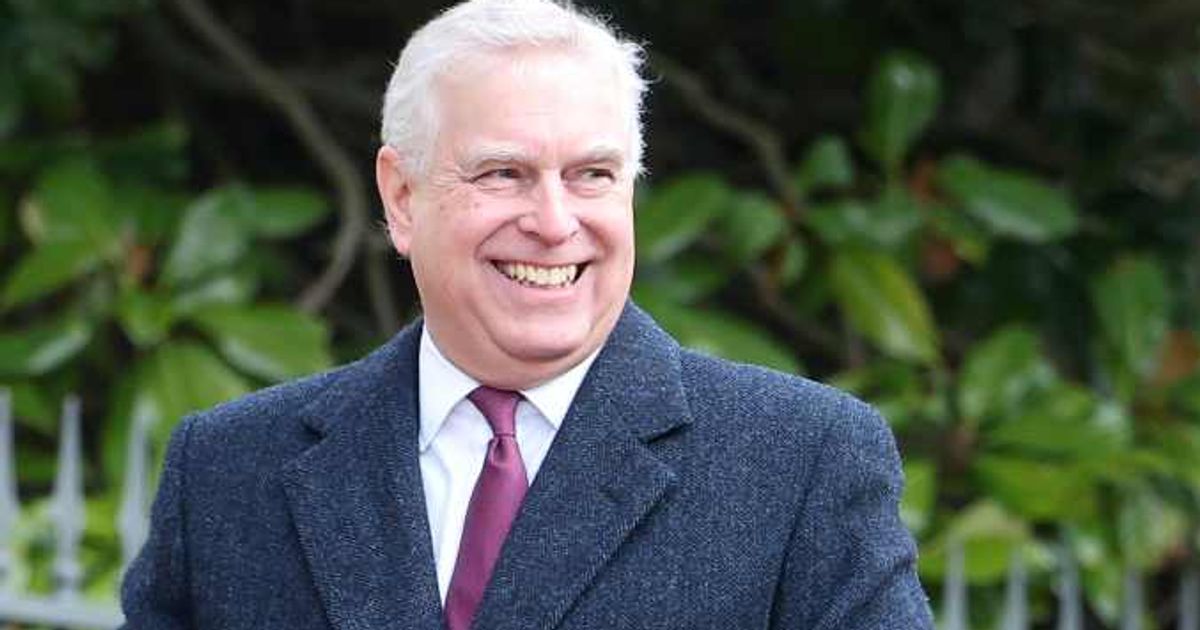


It seems the Crown’s patience has finally worn thin. For decades, Andrew Mountbatten-Windsor has been the monarchy’s awkward inheritance, one it could not disown and that was too troublesome to defend. The institution carried him as a liability it could neither explain away nor entirely eject.
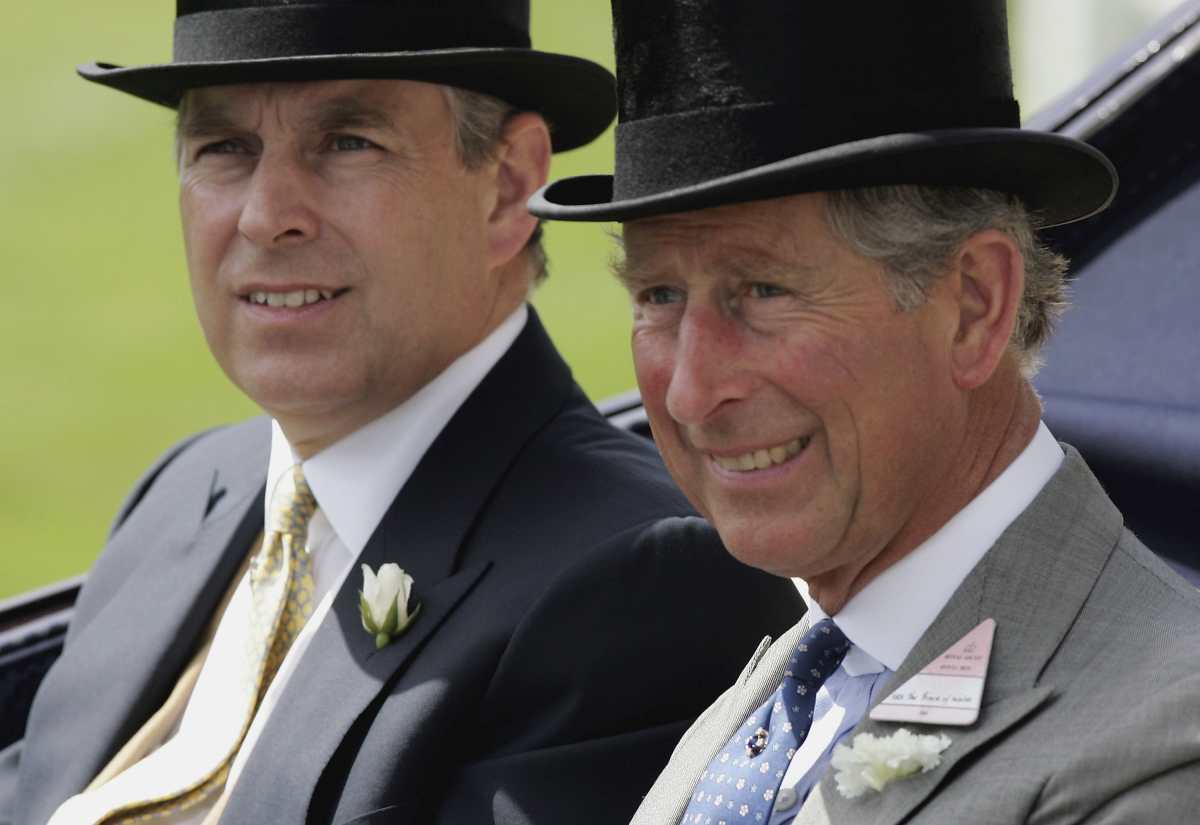
King Charles III, meanwhile, has devoted much of his reign to trimming and tightening the Firm, determined to spare it precisely this kind of reputational drag. Now, as Rob Shuter observes on his Substack, what presents itself as yet another crisis may, paradoxically, offer the King something he has long sought-- the chance to clear the ledger once and for all.
Behind bars, however, the equation changes. The looming possibility of arrest, sources say, has forced a difficult conversation about what truly protects the institution. Shuter wrote on his Substack, “If Andrew goes to jail, it may be the cleanest reset the royal family can get.” “If Andrew walks, he’ll feel vindicated and untouchable,” one well-placed insider says, per Shuter. “That makes him more emboldened, more reckless, and far more dangerous to the institution.”
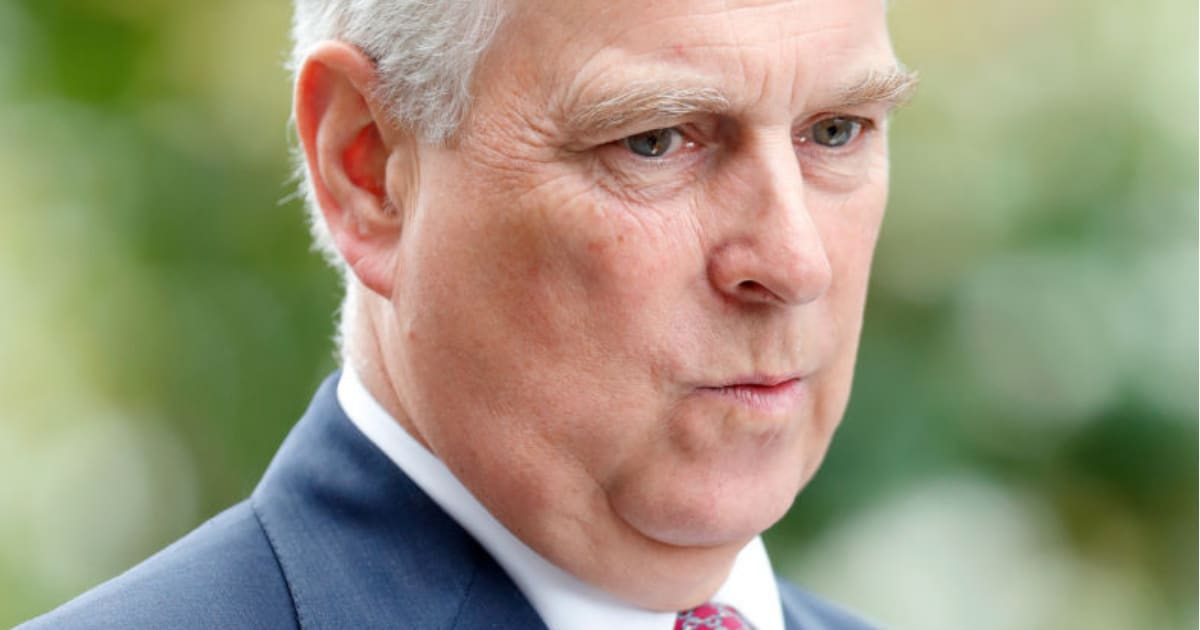
“Prison contains the chaos,” a palace source tells me bluntly. “It forces a hard stop. The family can regroup without constantly bracing for the next humiliation.” The argument, as relayed by Shuter’s sources, is risk management. Mountbatten-Windsor’s history of scandal has repeatedly pulled the monarchy into unwanted headlines, from his association with Jeffrey Epstein to subsequent reputational fallout. Charles has already made clear he intends to slim down the monarchy and refocus it on a tighter circle of working royals. But Mountbatten-Windsor remains an awkward footnote. “No one wants to say it publicly,” confides a senior royal watcher. “But Andrew will always embarrass them. He won’t change. Jail removes the oxygen—and the obligation to bankroll him.”
Officially, the Palace continues to insist that Mountbatten-Windsor's legal matters are separate from the Crown. The King’s priority, aides maintain, is constitutional duty. Yet insiders argue that a conviction would provide something invaluable: clarity. “This gives the King cover to finish the slimming-down he’s always wanted,” says another insider. “In crisis, reform suddenly becomes very easy to sell.”
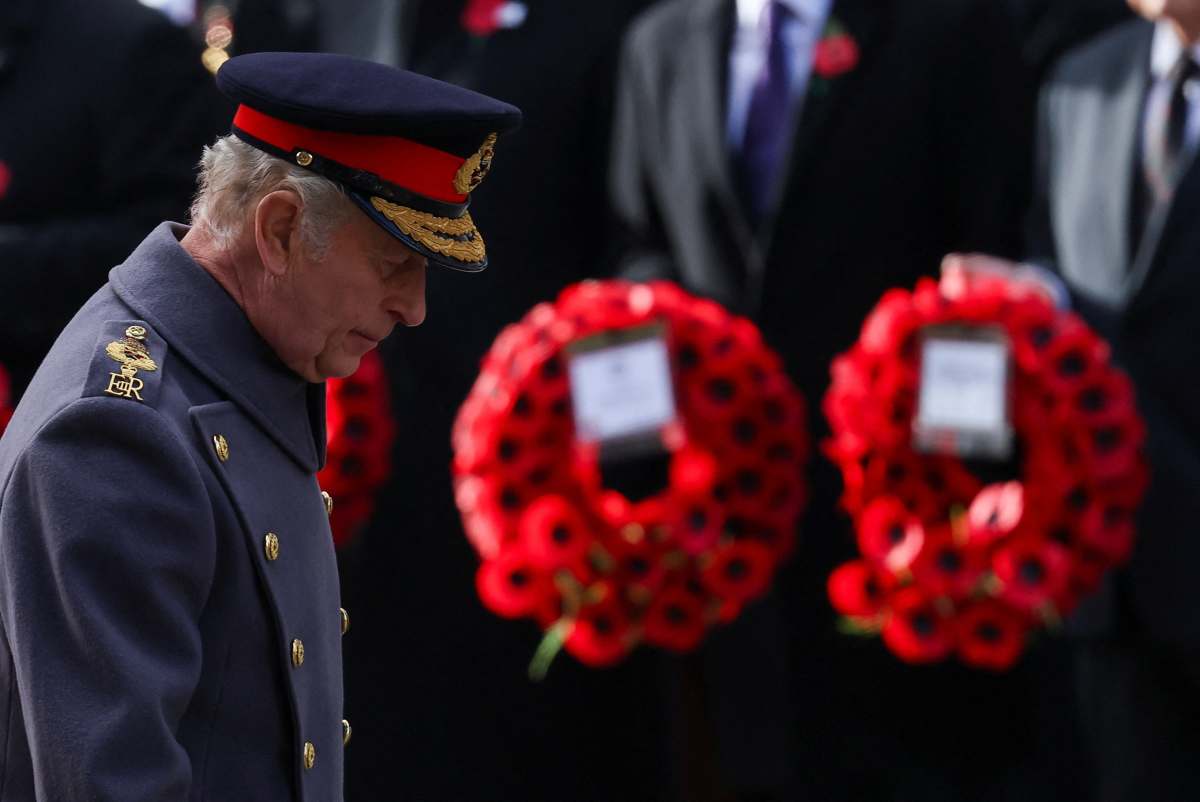
The pressure is no longer confined to palace corridors. Earlier, Defence Minister Luke Pollard confirmed to the BBC that the government is “absolutely” working on plans to prevent the former prince from “potentially being a heartbeat away from the throne." Yet even as Parliament explores its options, Mountbatten-Windsor appears determined to shape the terms of his own departure. According to Rob Shuter, he has floated the possibility of removing himself from the line of succession—but not as a simple act of contrition. Insiders say the offer comes layered with conditions.
“The cleanest way to remove him would be for Andrew to renounce his position himself,” the insider told Shuter, adding, “Otherwise, it would require coordinated legislation across all 56 Commonwealth realms—a constitutional headache no one wants.” That constitutional complexity has long served as a buffer, making formal removal cumbersome and politically fraught. It is precisely this difficulty that has, until now, worked in his favor. But sources suggest he is not preparing for a quiet retreat. “He wants security for life…A permanent grace-and-favor home, his horses settled at the new property, and written guarantees that his daughters keep their royal titles,” one insider said. Another added, “He’s negotiating comfort, not consequences…It’s slippery to the end.”