Newly Released Files Reveal the Surprising Reason Behind Charles’ Failed 1996 Ireland Visit
Fresh documents detail Taoiseach John Bruton’s objections to Britannia entering Irish waters in 1996.


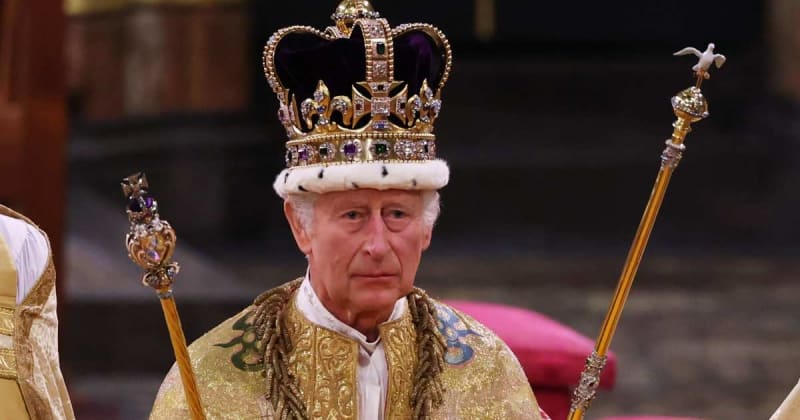
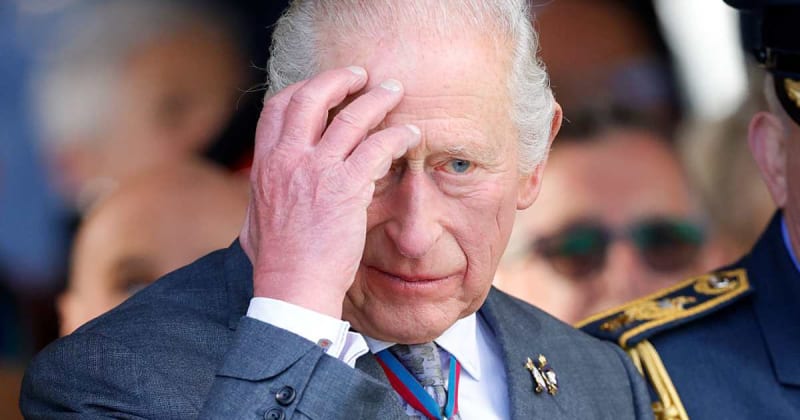
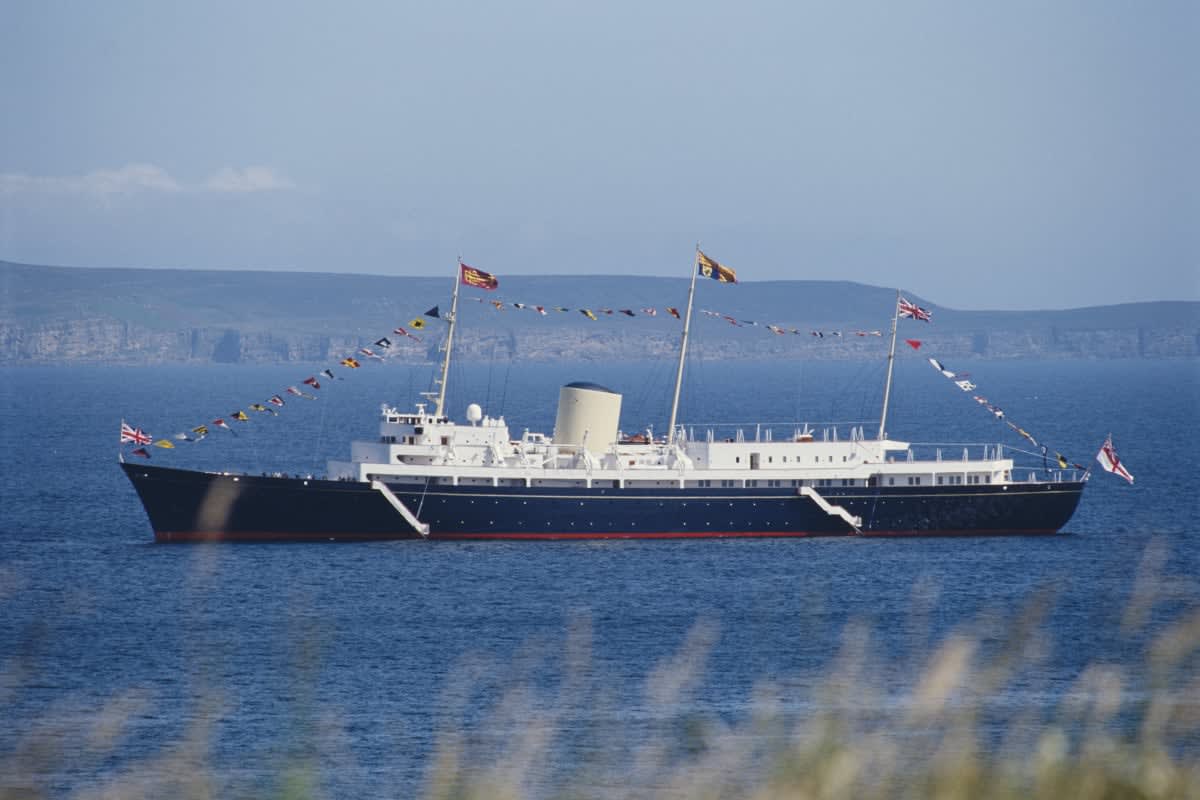
Newly released documents now show that, in the mid-1990s, King Charles was explicitly warned against projecting any sense of grandeur or superiority during a proposed visit to Ireland – concerns that ultimately derailed the trip altogether. Records released by the National Archives of Ireland reveal that then Taoiseach John Bruton strongly opposed plans for the Prince of Wales to arrive aboard the royal yacht Britannia during a proposed three-day visit in 1996.
At a time when Anglo-Irish relations were still fragile and security fears remained acute, Bruton viewed the yacht as a liability laden with historical and political baggage. “The yacht suggests opulence and superiority. It’s not the image that should be conveyed,” Bruton wrote in a handwritten note to officials. He went further, declaring that Ireland was “the last place” Charles should bring Britannia. The documents show that British and Irish officials had been engaged in detailed discussions about the visit, scheduled for late June 1996.
According to correspondence dated March 7, British ambassador Veronica Sutherland outlined Charles’s preferred itinerary, which included sailing into Galway Bay aboard the royal yacht on the morning of June 28. “In the evening, he would like to offer hospitality on board Britannia, which would then sail late in the evening for a private weekend in Kerry and Cork, having disembarked the guests,” she wrote.
What began as a relatively modest proposal soon expanded. Government secretary Frank Murray responded the same day, noting that the visit had grown 'rather more elaborate' than originally anticipated. Initial discussions had focused on a far simpler stop at Haulbowline harbour in County Cork. With plans escalating, Murray suggested there appeared to be little choice but to continue, unless political or security concerns intervened.
In his handwritten response to Murray, Bruton questioned whether the spectacle of the royal yacht entering Galway might reopen unresolved historical wounds. “Will it revive arguments about ‘the ports’ in the ’30s?” he asked, referencing the contentious Treaty ports retained by Britain until 1938. That, he feared, could overshadow any diplomatic goodwill the visit was meant to foster. Bruton also proposed a more grounded alternative, that Charles fly into a regional Irish airport instead. Such an approach, he argued, would avoid unnecessary optics while offering a practical economic boost. He further noted that Britannia itself had become controversial in Britain, where its running costs were already drawing criticism. “The yacht is, I think, controversial in Britain lately because of its cost. Ireland is the last place he should be bringing it,” he wrote.
By March 19, Murray informed the Taoiseach that Irish concerns had been relayed to Ambassador Sutherland, including security risks that had not been fully assessed during earlier talks. While officials anticipated a scaled-back version of the visit, the political climate continued to deteriorate. With no IRA ceasefire in place, Irish authorities ultimately concluded that the dangers facing Charles outweighed any diplomatic benefit. “The risks now seem to outweigh any benefits,” one document concluded, effectively sealing the trip’s fate.
The caution reflected in the 1996 papers was not an isolated stance. A separate file from 2003 shows that then Taoiseach Bertie Ahern blocked a request for the British aircraft carrier HMS Ark Royal to berth in Dublin. A senior civil servant warned that allowing the visit would signal a shift in policy on British military displays in Ireland, describing the ship as “a symbol of British naval prowess.” Ahern’s response was brief: “My view is ‘no’.”