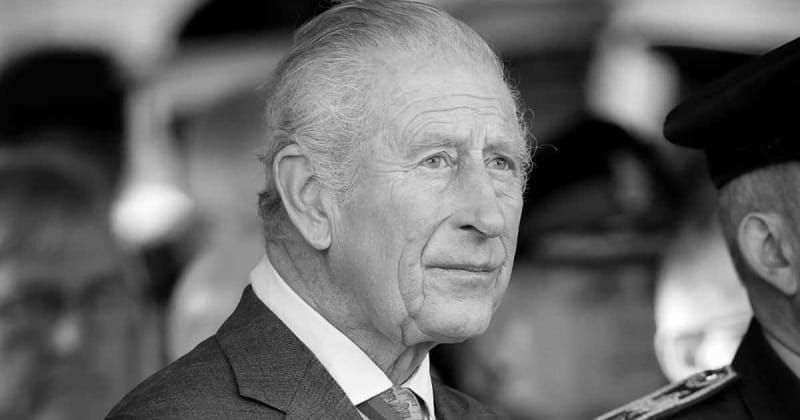
King Charles’ Cancer Update Was a Strategic Move to Shift Focus Away From William: Expert
Behind King Charles’ compassionate cancer message, one expert sees a calculated bid to reclaim control from his heir.
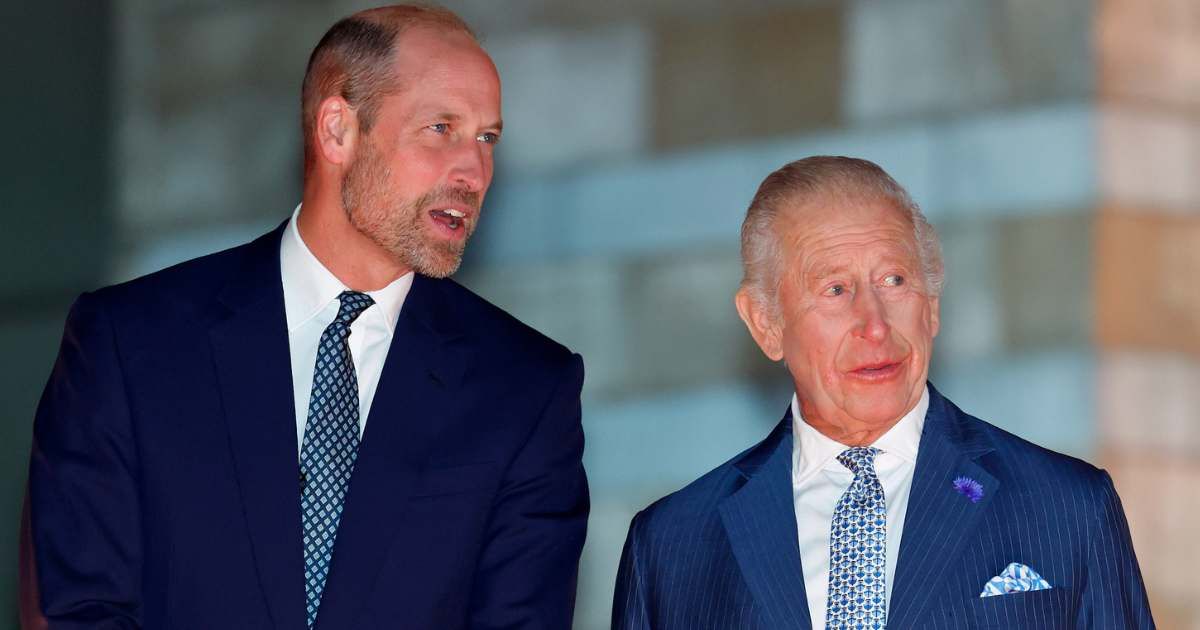


King Charles chose his moment very carefully. When the 77-year-old monarch addressed the nation recently with a personal update on his cancer treatment, the message appeared gentle and reassuring. Speaking in support of the ‘Stand Up To Cancer’ campaign, Charles shared the ‘good news’ that his treatment was being scaled back after early diagnosis and successful care. The video was widely praised for its openness and for offering hope to many currently going through the illness. Yet behind the compassion and calm words, royal expert Tom Sykes believes the King was sending a strong message to his heir, Prince William.
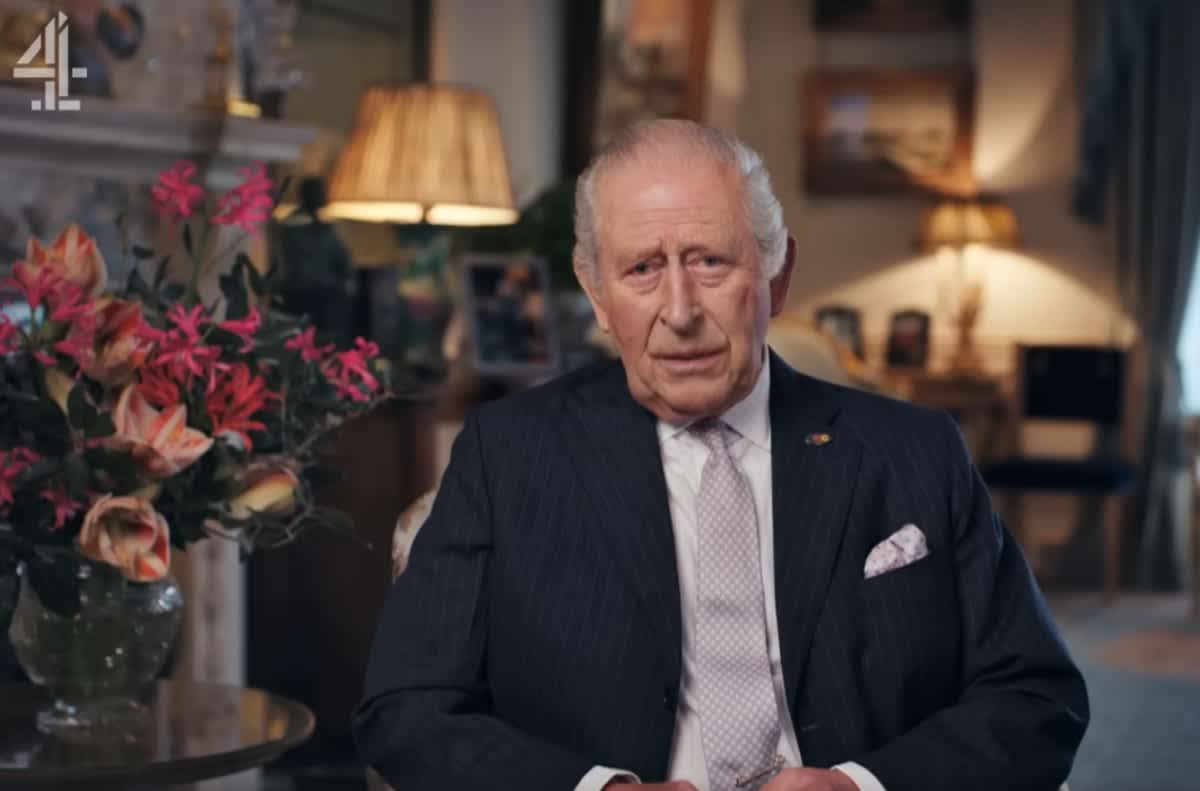
In the pre-filmed broadcast for the campaign, Charles happily announced, “Indeed, today I am able to share with you the good news that thanks to early diagnosis, effective intervention, and adherence to ‘doctors’ orders,’ my own schedule of cancer treatment can be reduced in the New Year.” He has been receiving treatment since early 2024 after he was diagnosed with cancer during a routine prostate procedure, though the type of cancer was never disclosed. With his message, Charles hoped that his experience might encourage others to get checked. The response was overwhelmingly positive, with many applauding the sovereign for bringing cancer conversations into the public sphere without drama or self-pity.
However, royal expert Tom Sykes argues Charles’ speech carried deeper implications. Writing for The Daily Beast, he said the King was attempting to reclaim the narrative after losing control of it early in his reign. According to the expert, Palace aides initially hoped to keep Charles’ cancer private, saying, “The plan was to talk about benign prostate treatment; the disclosure only came because secrecy became impossible.” The public disclosure, Sykes agreed, had unintended consequences. “From the moment “cancer” was said out loud, attention shifted from Charles’ reign to its endpoint,” he said.
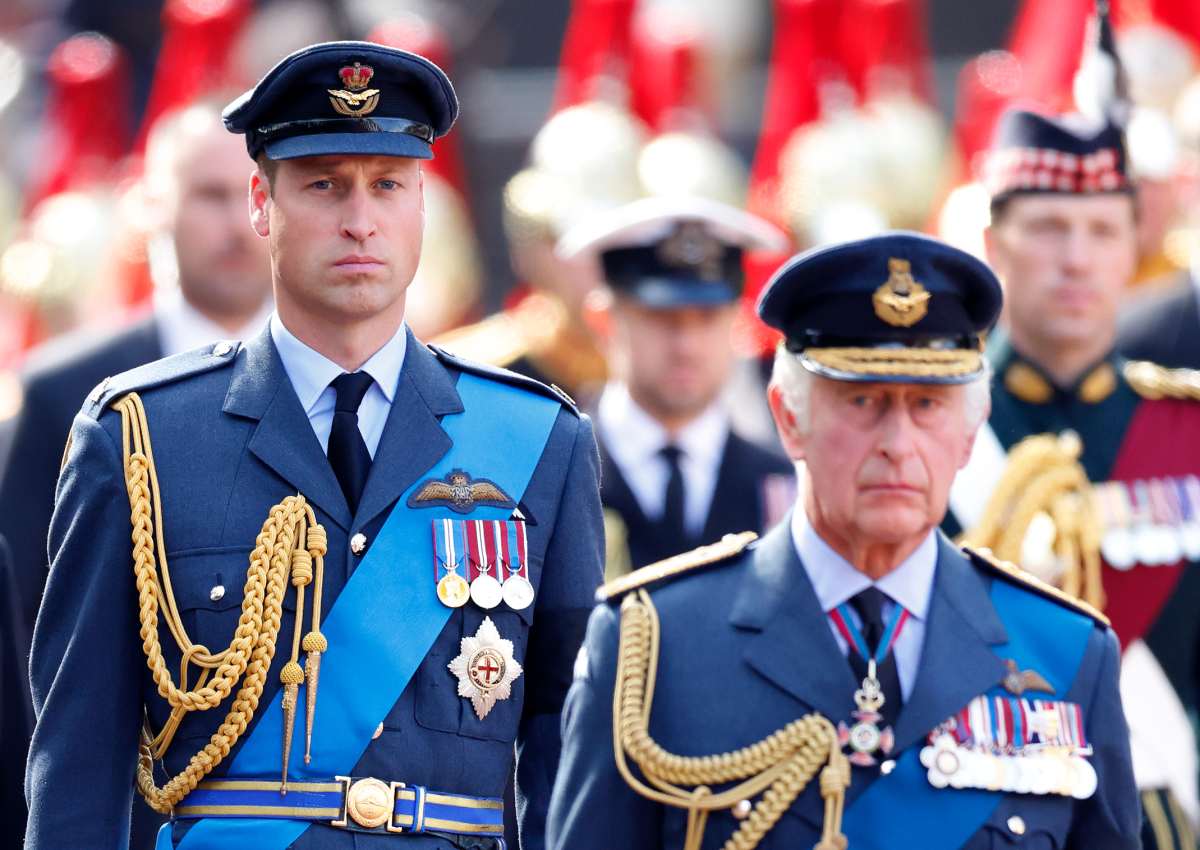
As per Sykes, that shift has affected authority within the monarchy. “Succession and William’s readiness became live issues far earlier than intended, and authority began to drain toward the heir,” he added, suggesting that Prince William has grown increasingly assertive, particularly when it comes to unresolved family scandals. This comes as no surprise, as several reports in the past have suggested that it was the Prince of Wales who pushed his father to take decisive steps to curtail the damage brought upon the institution by his uncle Andrew Mountbatten-Windsor. Following which, the monarch stripped his brother of his titles, dukedom, and residence.
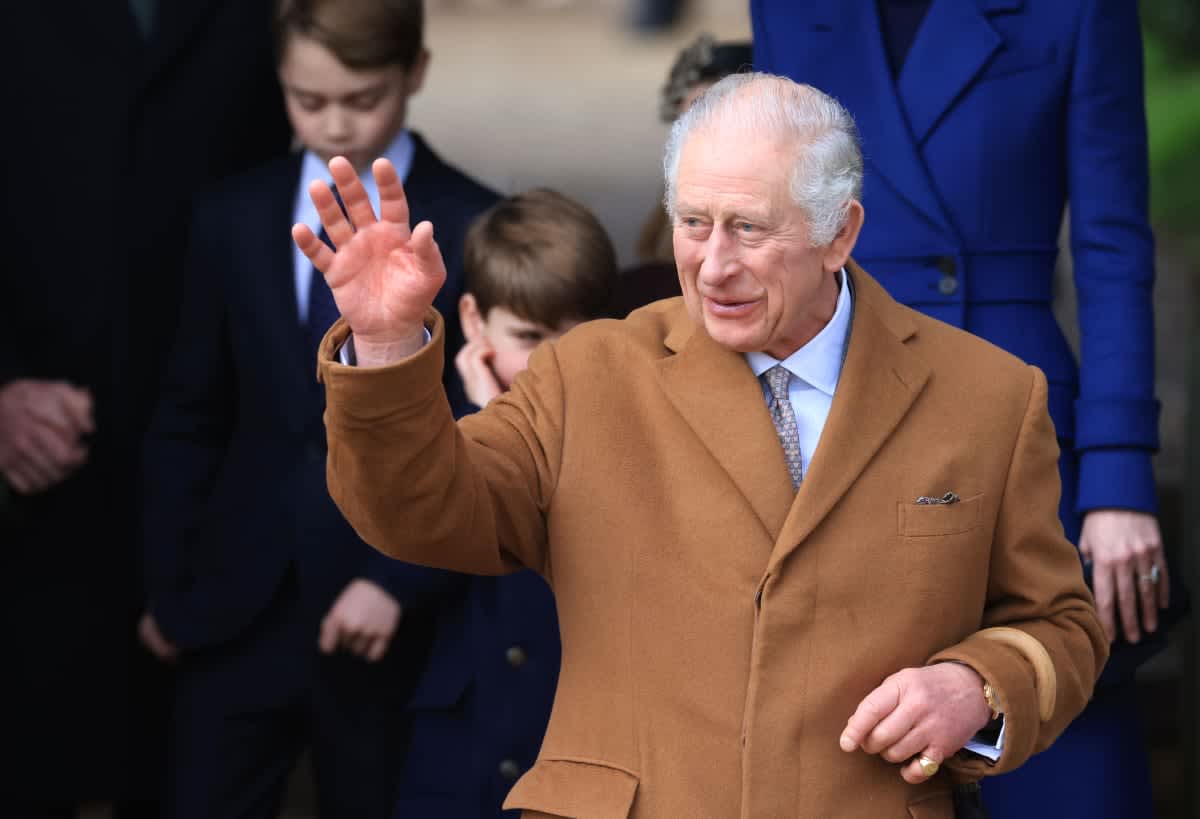
For Sykes, Charles’ recent cancer update now stands as a defining crossroads. Describing it as a “fork in the road,” he argues the statement was an attempt to halt what he sees as an ‘erosion’ of royal discipline. “This is a constitutional institution whose legitimacy depends on hierarchy, boundaries, and restraint,” he warned. If the King’s health is improving, the expert adds, the responsibility extends beyond reassurance. "The question now is whether Charles will get back on with the job: enforcing standards, restoring discipline, and running an institution that has been drifting for far too long," he opined.