Expert Feels Sorry For Harry Over His Recent Moment With Meghan: 'It Wasn't What He Had in Mind'
Critics say the Instagram promotion highlights the gap between Prince Harry’s royal past and his current public role.
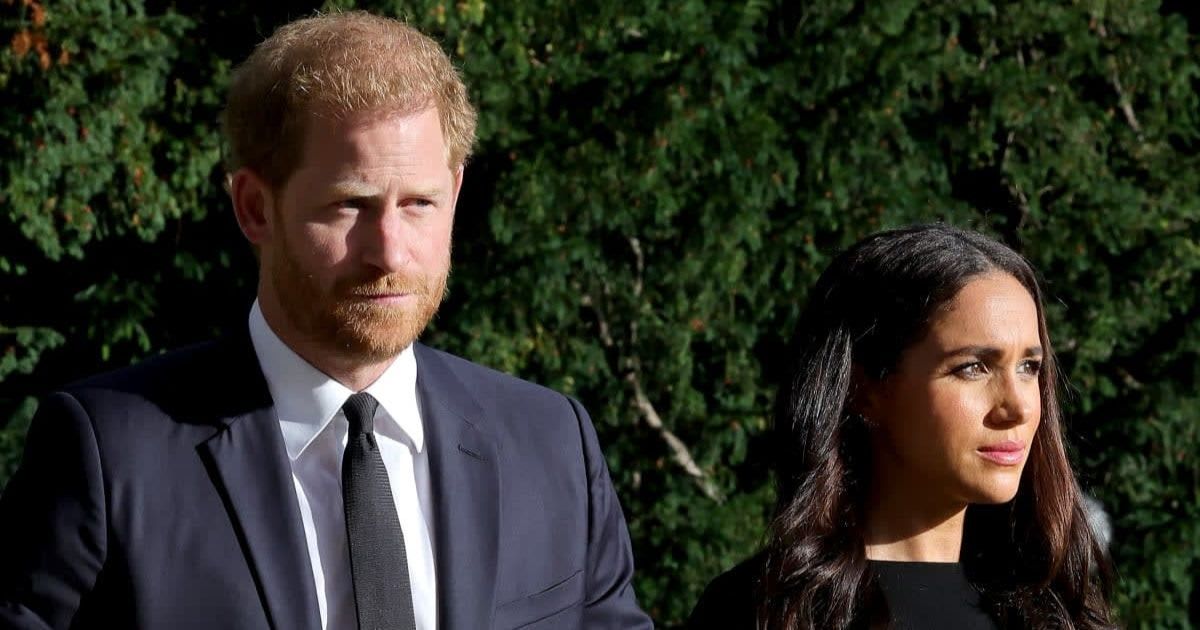


Prince Harry and Meghan Markle once promised to upend the monarchy and reinvent themselves as global power players. But the couple's latest public moment has landed with a thud rather than a flourish. A short Instagram video, light on substance, has triggered an unexpectedly sharp backlash.
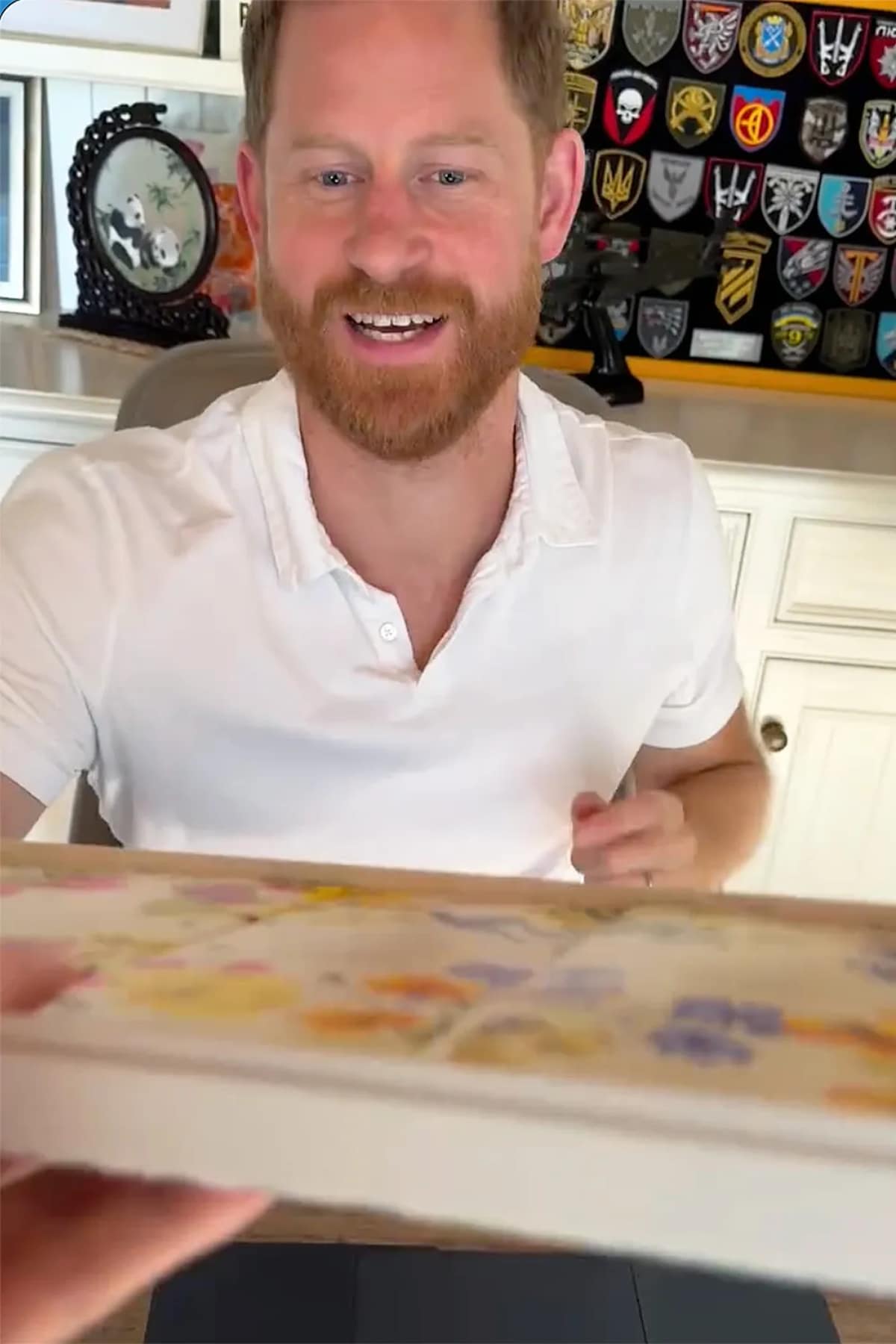
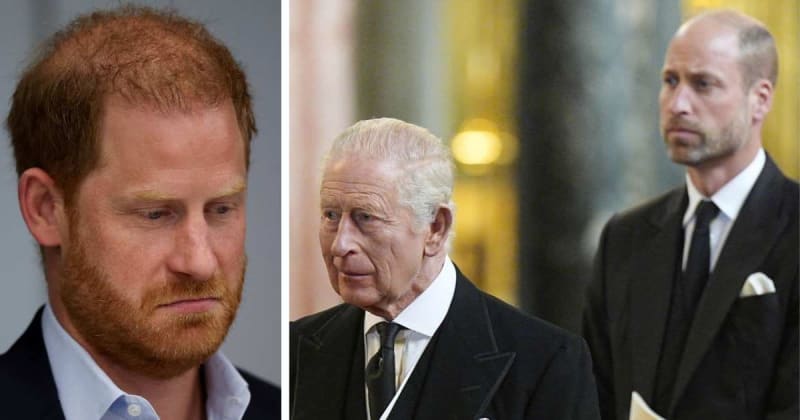
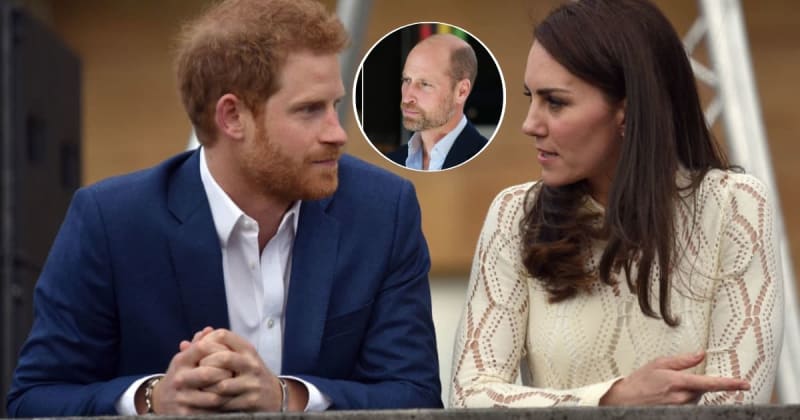
And the major reaction to it is Harry himself, now appearing not as a reformist or statesman-in-waiting, but as a supporting character in a lifestyle promotion, which can be branded tacky. Writing on his Substack, The Royalist, journalist Tom Sykes suggests the clip captures an uncomfortable truth about the gulf between the future Harry once imagined and the one he now inhabits. “I suspect that when Harry left the royal family, with his wife promising she would lead them to a glorious new future of megabucks Hollywood deals, flogging chocolate on Instagram wasn’t what he had in mind. Yet, here we are.”
The video, posted on Meghan Markle’s Instagram account, shows the Duchess breezing into Harry’s office with a neatly arranged box of chocolate. Markle appears relaxed and cheerful, presenting the gift to her husband, giving a glimpse of her life to her followers. Harry, seated at his desk and barefoot, looks momentarily startled, as if unsure how the scene is meant to play out, per Sykes. The oddness of the moment is heightened by the presence of the couple’s dog, Mia, lying under the desk. Kyes notes the animal’s subdued demeanour with characteristic dryness, observing that the dog looks “like it is weighing up whether it might be better just to eat a few bars and be done with it.” The overall effect, he adds, may be “excellent content,” but it is also faintly unsettling.
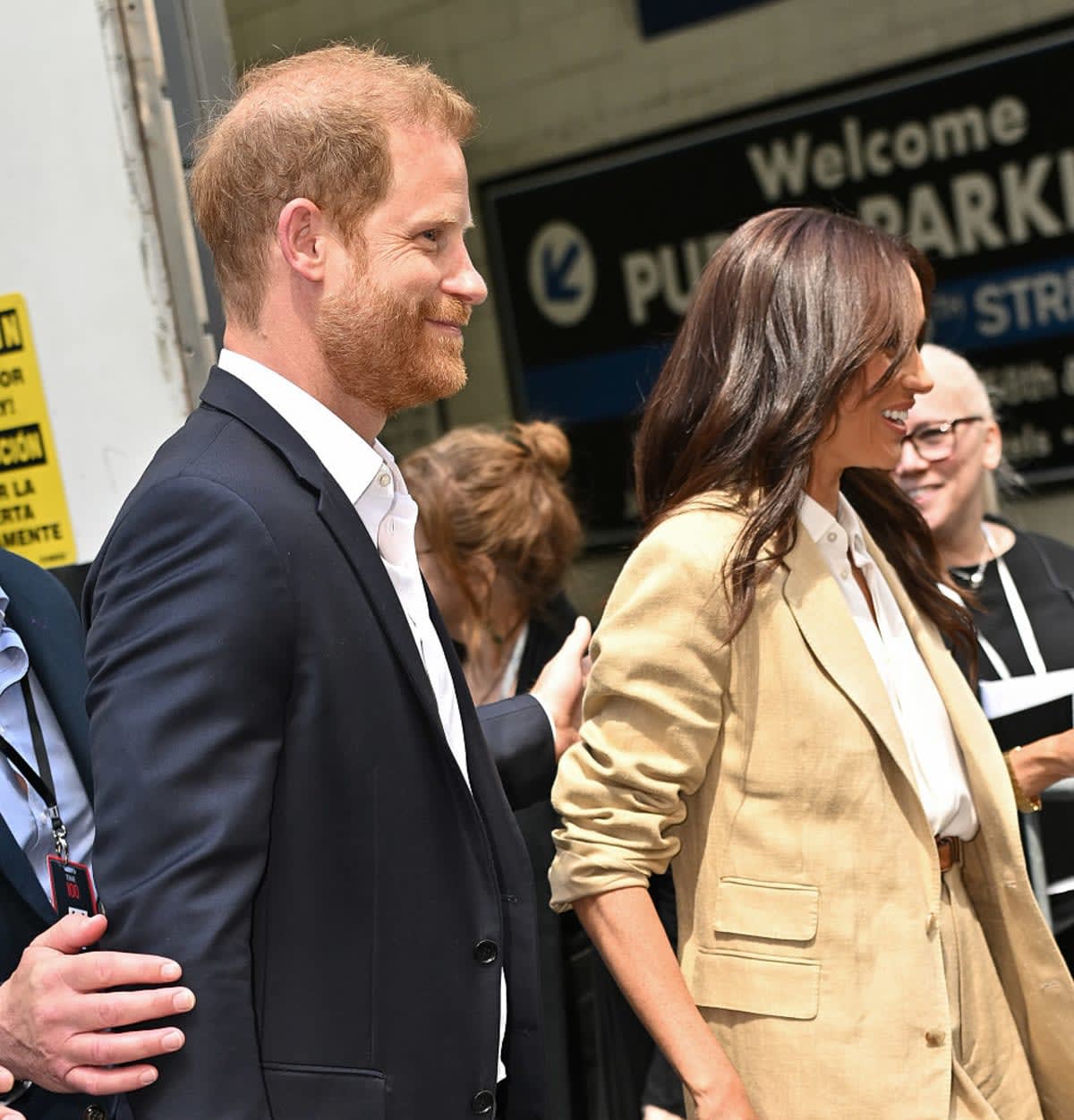
For Sykes, the discomfort lies not in the promotion itself but in the contrast it evokes. He points out that Harry, until recently, had access to some of the most exclusive food suppliers in Europe, courtesy of royal tradition and protocol. “I couldn’t help thinking that there was a time, not so very long ago, when Harry had access to the finest chocolate in the world,” he writes. “The royal household’s suppliers include Europe’s most venerable chocolatiers, the kind of establishments where chocolate is not a lifestyle statement but an ancient and perfected craft.”
Sykes adds, with a pointed aside, that the American bars — “most Brits find a bit waxy” — appear designed “less to be eaten than to be hashtagged.” It is one moment that Sykes refers to. As Harry reaches into the box, he pulls out a bar of white chocolate. “This is, in its way, tragically fitting,” he writes, explaining that white chocolate, despite its name, contains no cocoa solids. “It is chocolate in name only, a ghastly, sickly sweet, simulacrum of the real thing.”
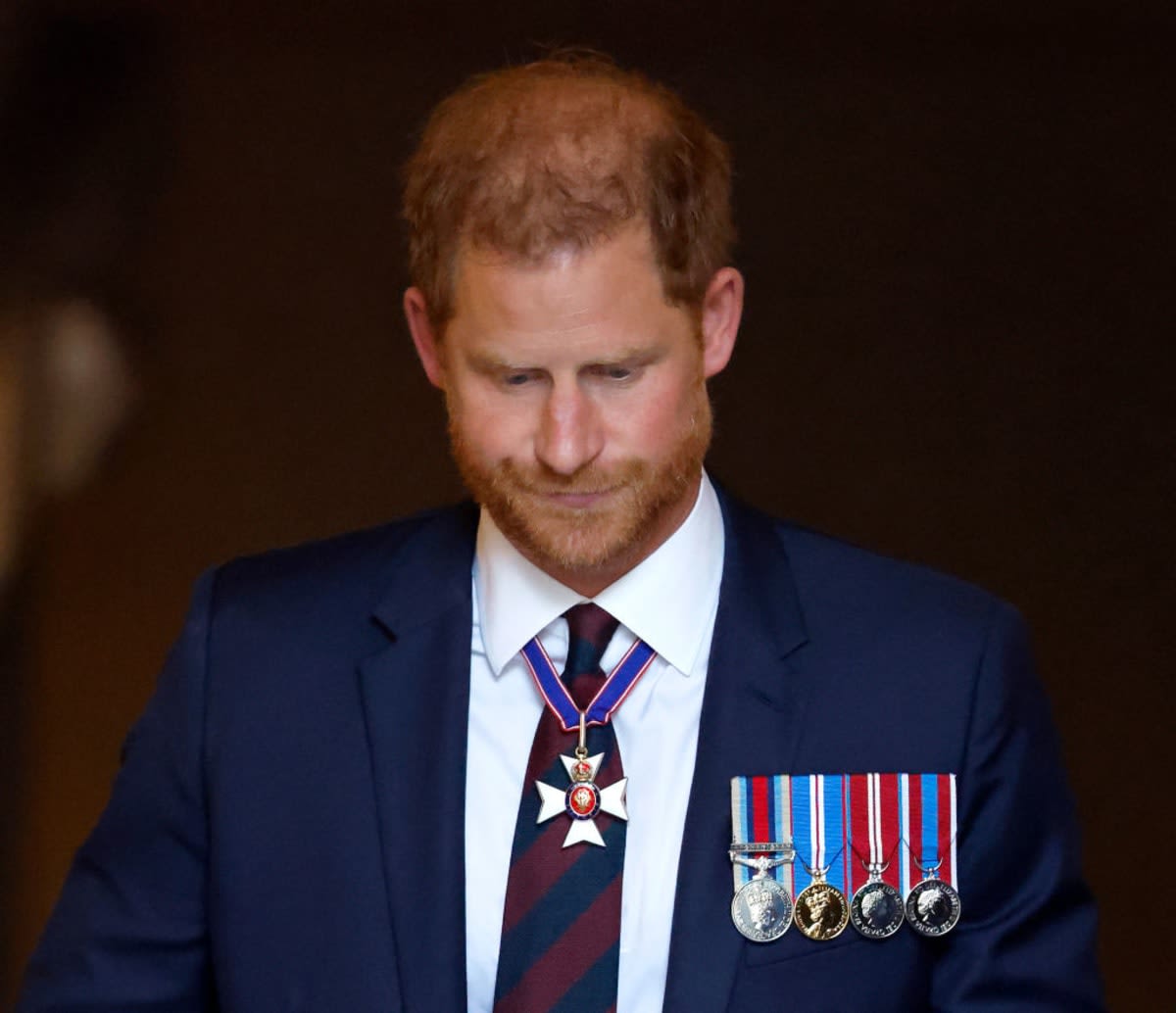
Sykes suggests the scene mirrors Harry’s current position -- still benefiting from the residual glow of royal status, yet detached from the institution and substance that once gave it meaning. “One could hardly design a better metaphor for the strange place Harry now occupies,” he writes, “still trading on the buttery residue of royal status while being entirely detached from the substance that once gave it meaning.”