Charles is ‘Calling Andrew Frequently’ As He Doesn't Want to Be Treated As a 'Commoner'
The shift comes after Andrew warned that being treated as a commoner would amount to a declaration of guilt.
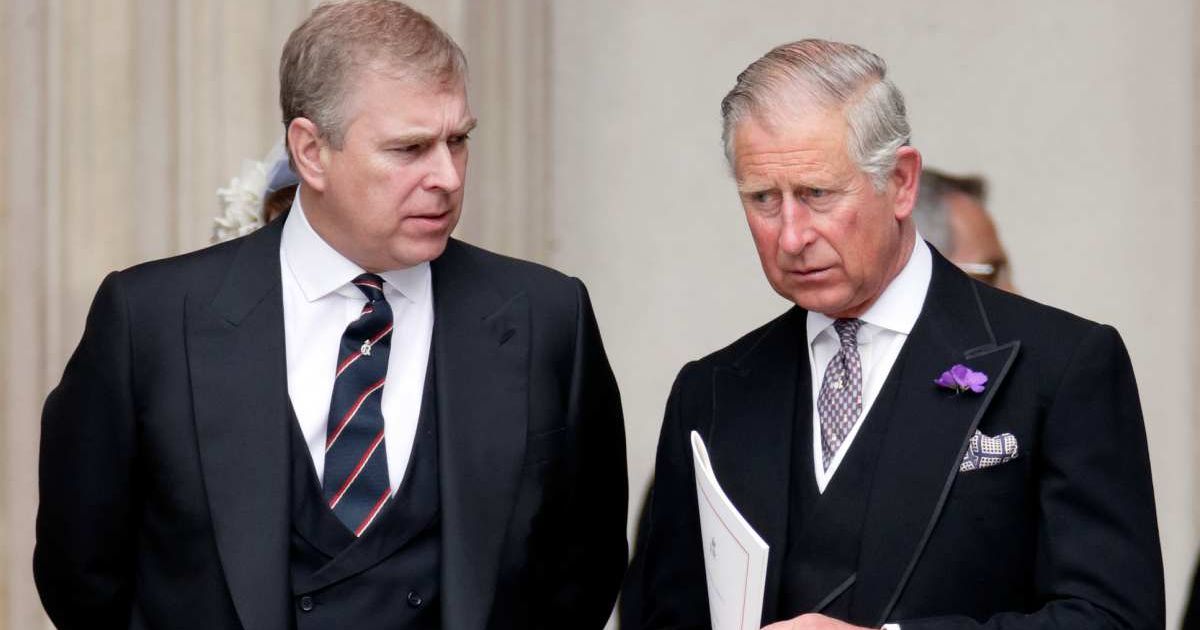


For a King determined to slim down the monarchy and impose clearer boundaries, family has proved to be the harder line to hold. Behind the scenes, King Charles is now said to be reassessing how far he went in sidelining his younger brother, Andrew Mountbatten-Windsor, a shift that comes after what has been described as a personal plea not to be “reduced… to the rank of commoner.”

According to reports, Charles is 'regretting' the severity of the action taken against Mountbatten-Windsor, particularly the cumulative impact of a series of quiet but punishing measures that extended beyond formal sanctions. While Mountbatten-Windsor’s loss of titles and status played out publicly, much of the real damage, insiders suggest, unfolded away from view.
Daily Mail columnist Ephraim Hardcastle detailed those lesser-seen penalties, describing a steady withdrawal of everyday royal support. Mountbatten-Windsor, he wrote, was stripped not only of rank but of routine comforts. This included having Royal Lodge staff, funded by the King, removed, his food deliveries from Windsor Castle’s kitchens brought to an end, and an instruction that he remain out of sight at Windsor until he is eventually relocated.
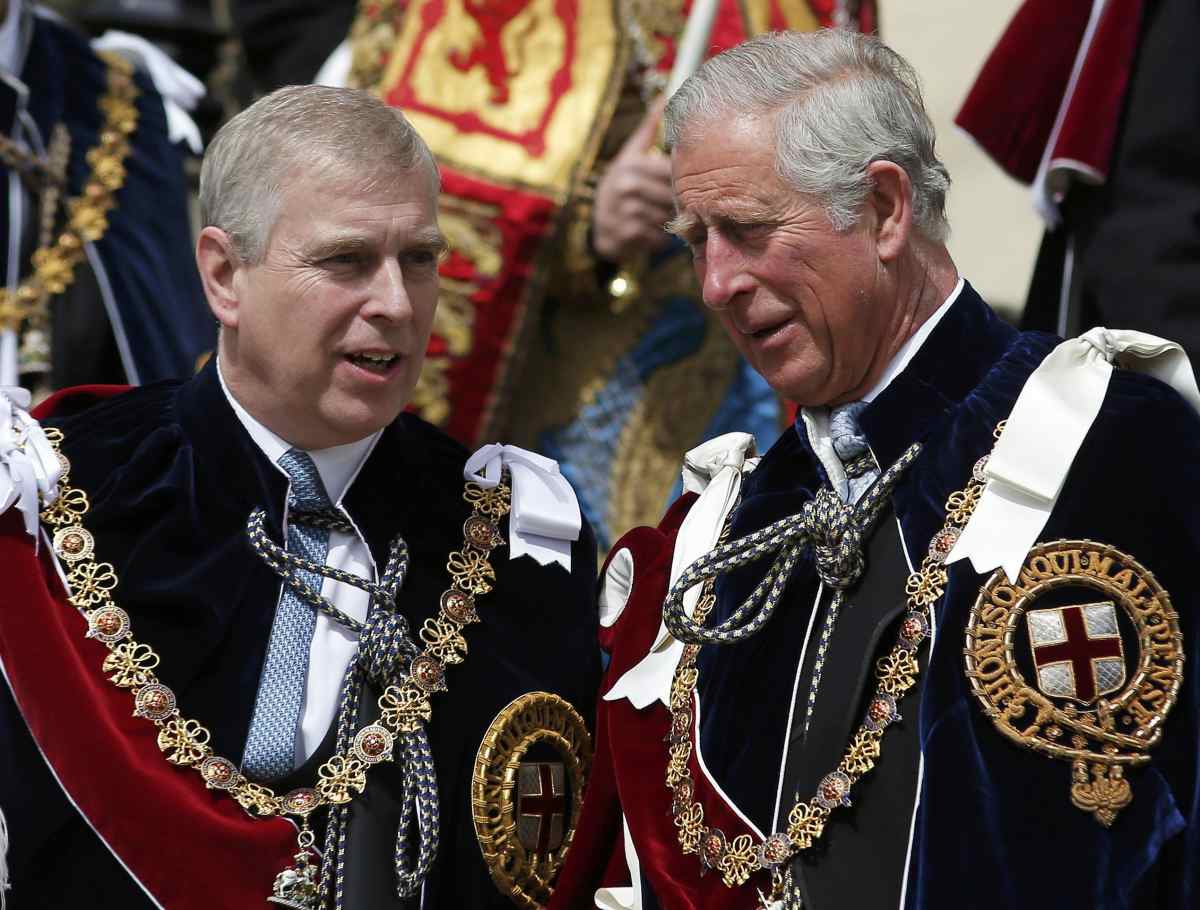
It was against that backdrop that the disgraced former prince reportedly made his final appeal to the King. His argument, Hardcastle notes, was not about restoring privilege but about dignity. To be treated as a commoner, he warned, would “effectively be pronouncing him guilty." Since then, Charles has reportedly begun “gently backtracking,” calling Mountbatten-Windsor frequently and reinstating limited access to Royal staff and stables.
The shift, however, comes with limits. Despite the renewed contact, Mountbatten-Windsor has not received a late invitation to join the Royal Family’s Christmas celebrations at Sandringham, underlining that while the King may be softening personally, the institutional exclusion remains intact. The damage to the former prince's standing had already been unfolding for years. In 2019, amid mounting pressure, he stepped back from royal duties. Three years later, he was stripped of his military affiliations, charity patronages, and the right to use the “His Royal Highness” style.
More recently, further signs of retreat have emerged. Mountbatten-Windsor is understood to have voluntarily surrendered his gun license following a visit from Metropolitan Police firearms officers to Royal Lodge last month. The visit took place ahead of his expected move in the new year, as arrangements are made for him to leave the Windsor estate.
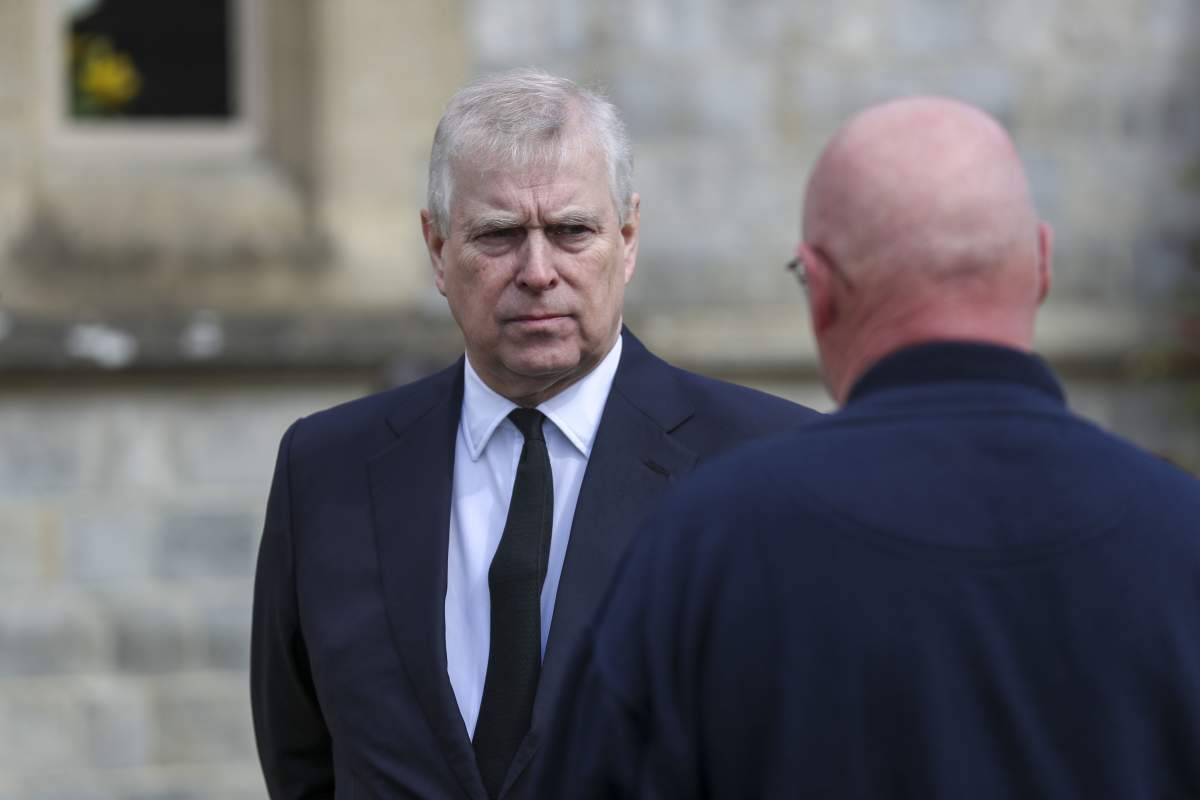 Andrew Mountbatten-Windsor attends the Sunday Service at the Royal Chapel of All Saints, Windsor (Image Source: Getty Images | Steve Parsons - WPA Pool)
The broader context of Andrew’s fall is well established. In October, he was further stripped of his remaining style, titles, and honors as Prince and Duke of York and was asked to vacate Royal Lodge, the Windsor property he had occupied for years. The move was widely interpreted as part of King Charles’s effort to draw a clear line between the working monarchy and those whose presence had become a liability.
That liability stems from Andrew’s long-shadowed association with convicted offender Jeffrey Epstein. Virginia Giuffre had previously alleged that Andrew sexually assaulted her on three occasions when she was under the age of 18—claims Mountbatten-Windsor has consistently denied. While he reached a financial settlement with Giuffre in 2022, he did so without admitting wrongdoing.