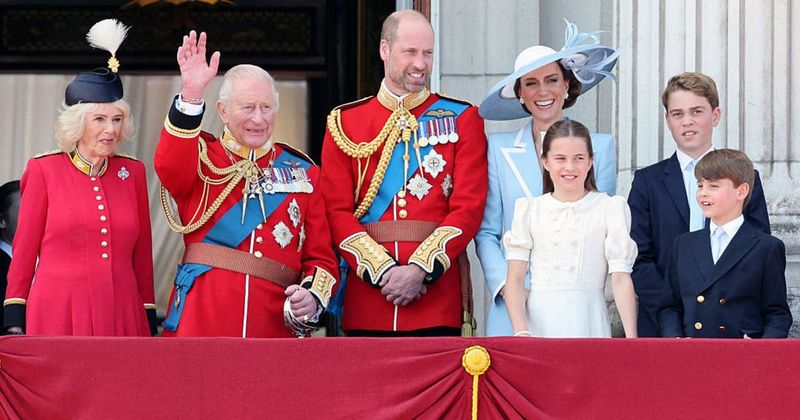
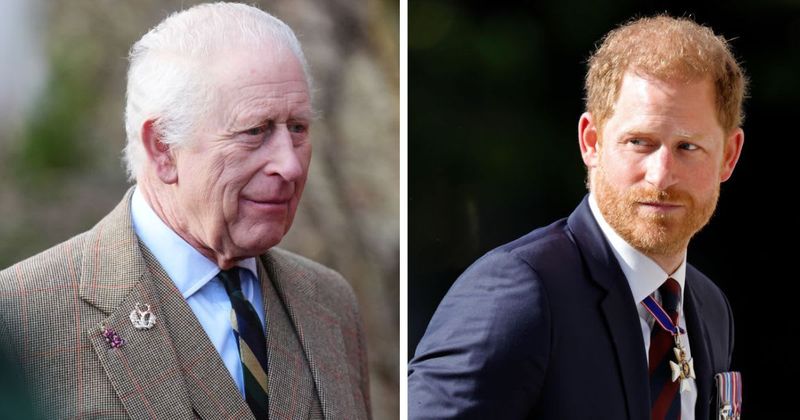
Charles and William Push For a Modern Monarchy — But the Public Wants One Thing Above All
Public support for the monarchy fell to its lowest recorded level this year.
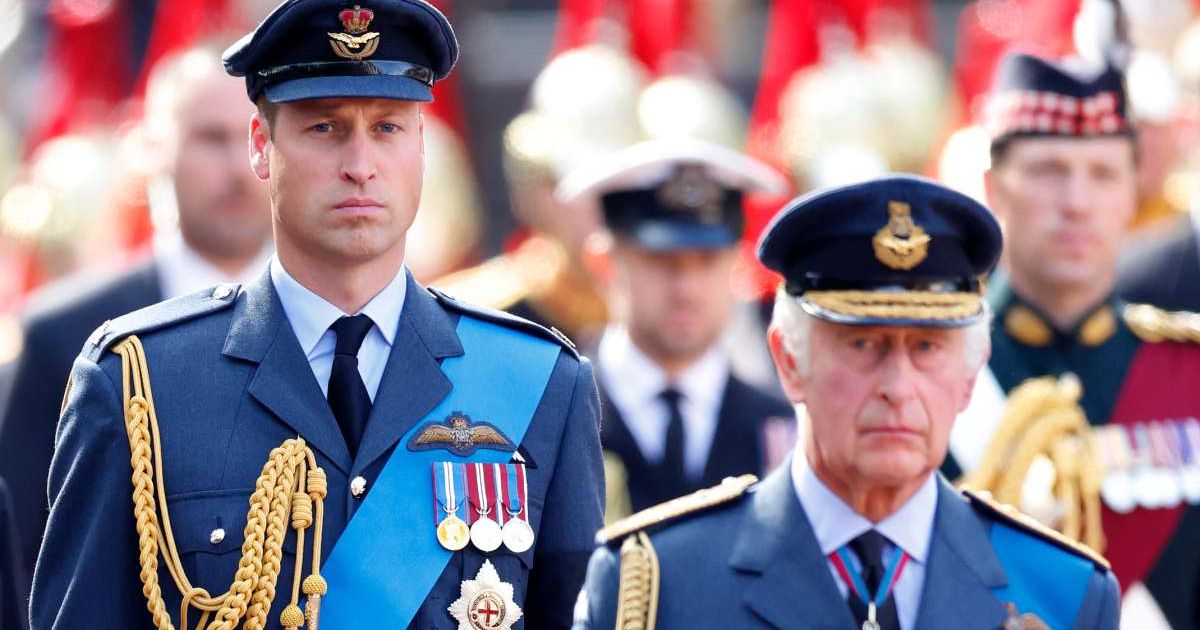


Tradition alone can no longer protect the monarchy. The royal family's 'Don't explain, don't complain' policy won't work, as public patience for secrecy is wearing thin. In 2026, the call for transparency will reportedly be sharper than ever. King Charles’ reign has sparked a change in public mood where reverence is no longer a given. Britons want accountability. This very transition framed his recent Christmas gathering at Sandringham, a symbolic reminder that personal openness and institutional opacity are now colliding in ways the monarchy can no longer ignore.
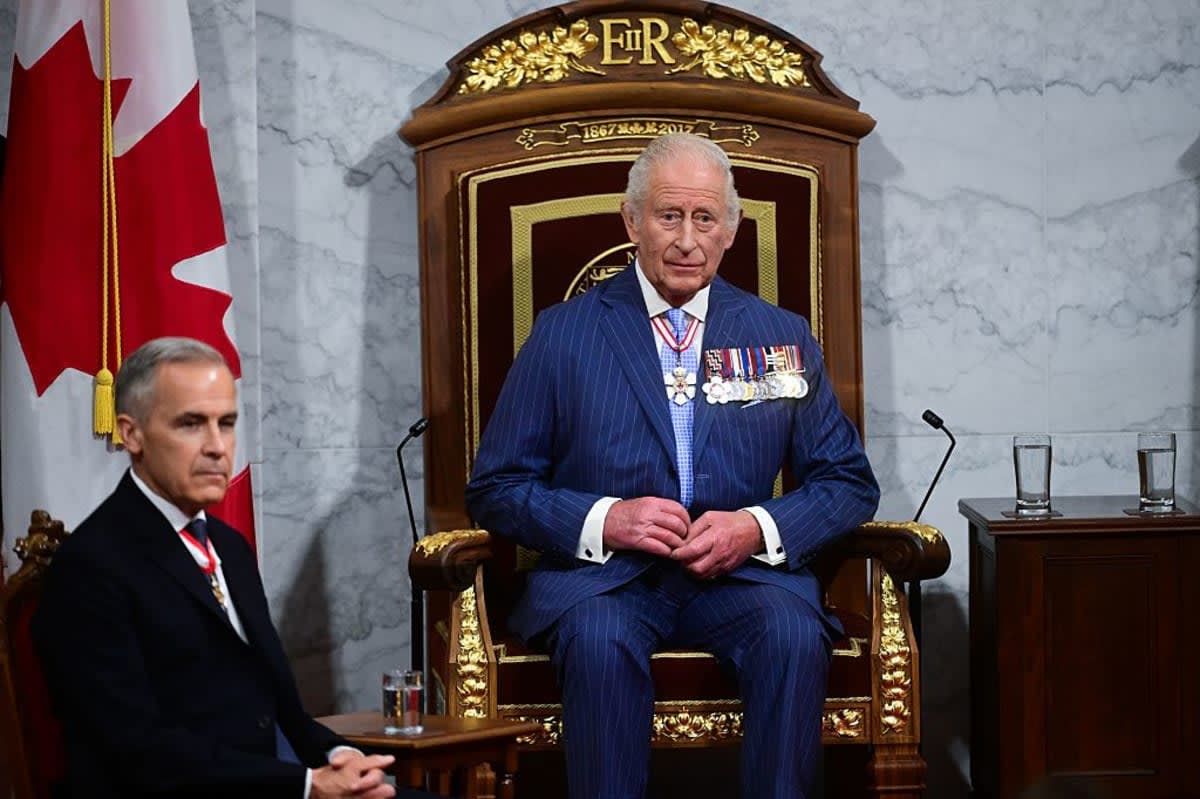
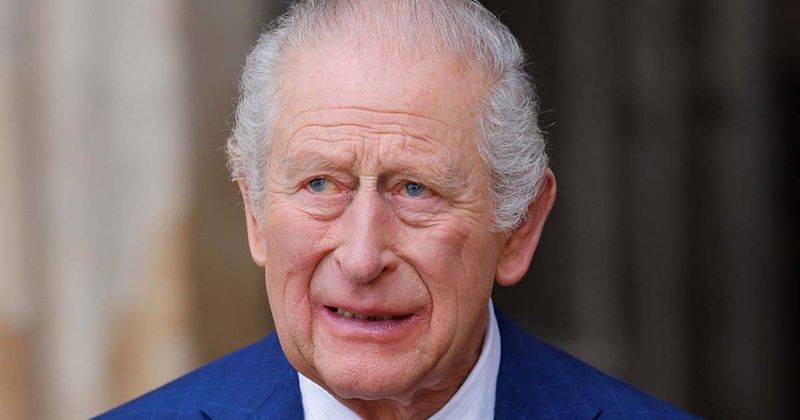
As per The Guardian, this dilemma has defined most of Charles’ 2025. His decision to openly address his cancer diagnosis and share health updates marked a significant break from centuries of royal silence on such matters. In 2024, Buckingham Palace announced that he was being treated for an enlarged prostate and later that he was diagnosed with cancer. Recently, the King shared the good news that he will be scaling back on his treatment after progress. According to a poll from October 2025 by Statista, the King’s approval rating is 62%. His unprecedented candor is said to have helped him achieve the same. The public showered praise on the monarch for growing into the role of a quiet yet effective diplomat. He navigated Donald Trump’s visit and expressed support for Volodymyr Zelenskyy and Ukraine. The King’s historic visit to the Vatican to pray publicly with the Pope, along with successful trips to Commonwealth nations like Australia and Canada, also won him respect. While hosting the highest number of inward state visits in nearly 40 years, Charles earned plaudits for using royal soft power to bolster British foreign policy.
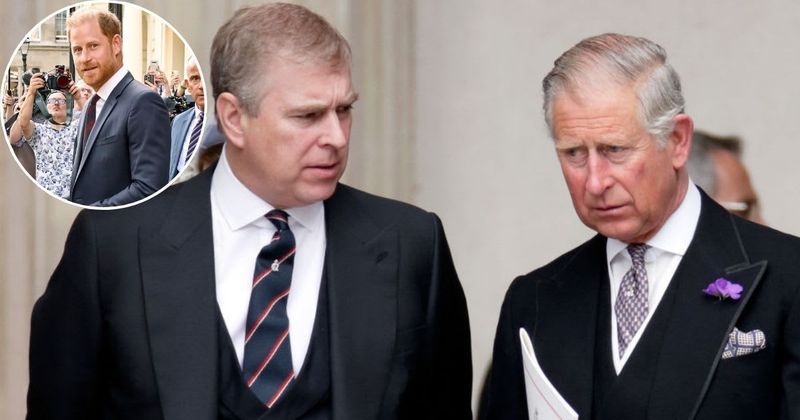
However, Andrew Mountbatten-Windsor continues to overshadow such feats. Despite being demoted, stripped of his titles, style, and honors, and told to vacate the Royal Lodge, his Epstein scandal remains unresolved. In October 2025, when the monarch visited Lichfield Cathedral, a commoner heckled him, asking, “How long have you known about Andrew and Epstein?” The man had also asked if the King had had “the police cover up” for his disgraced brother. While the person was removed swiftly, the incident was a reflection of the growing public frustration. Questions about what was known, what was ignored, and the limits on transparency continue to haunt the monarchy, undermining its trust.
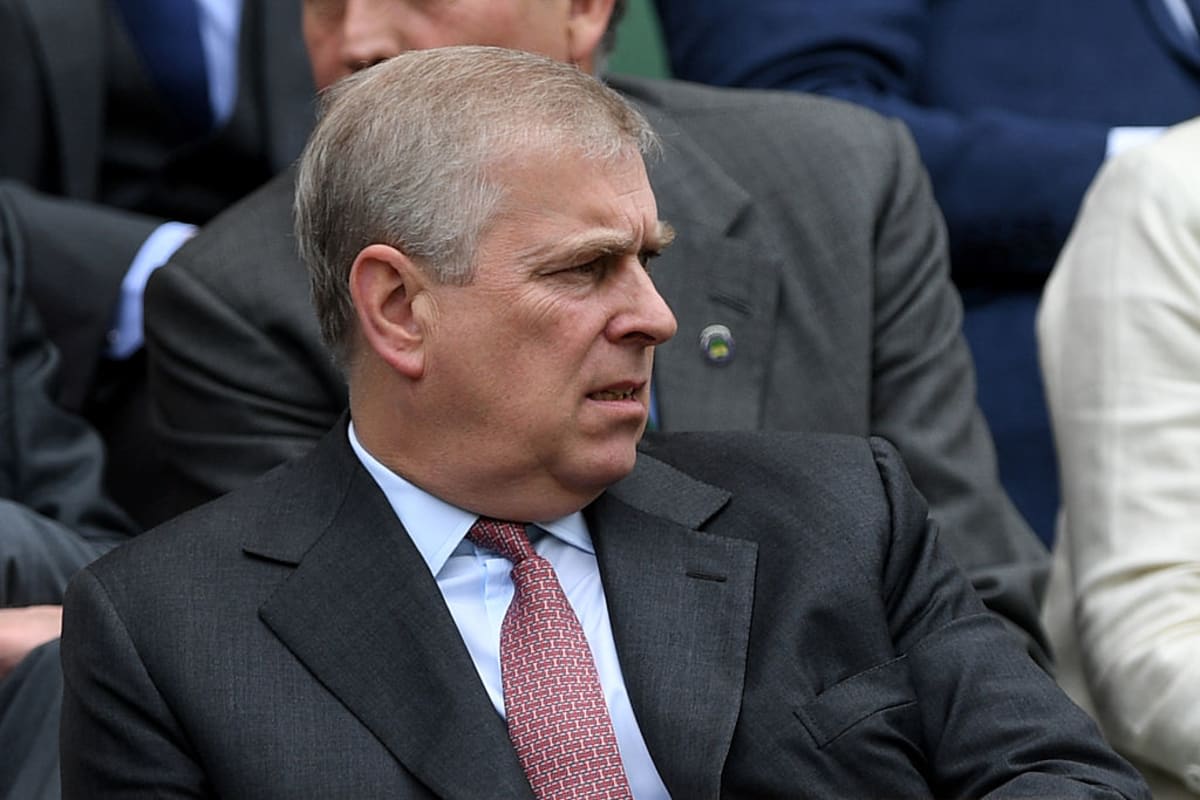
These concerns are integral to the philosophical foundations of the monarchy itself. According to Victorian journalist and political essayist Walter Bagehot, the monarchy’s “mystery is its life.” He stressed, “We must not let in daylight upon magic,” and cautioned that, “above all things our royalty is to be reverenced, and if you begin to poke about it you cannot reverence it.” That logic has lost its power. In a contemporary culture that relies on accountability and scrutiny to shape it, silence suggests concealment rather than protecting dignity. Public support for the monarchy fell to its lowest recorded level this year, continuing a steady decline since 2022, despite a slim majority favoring its survival.
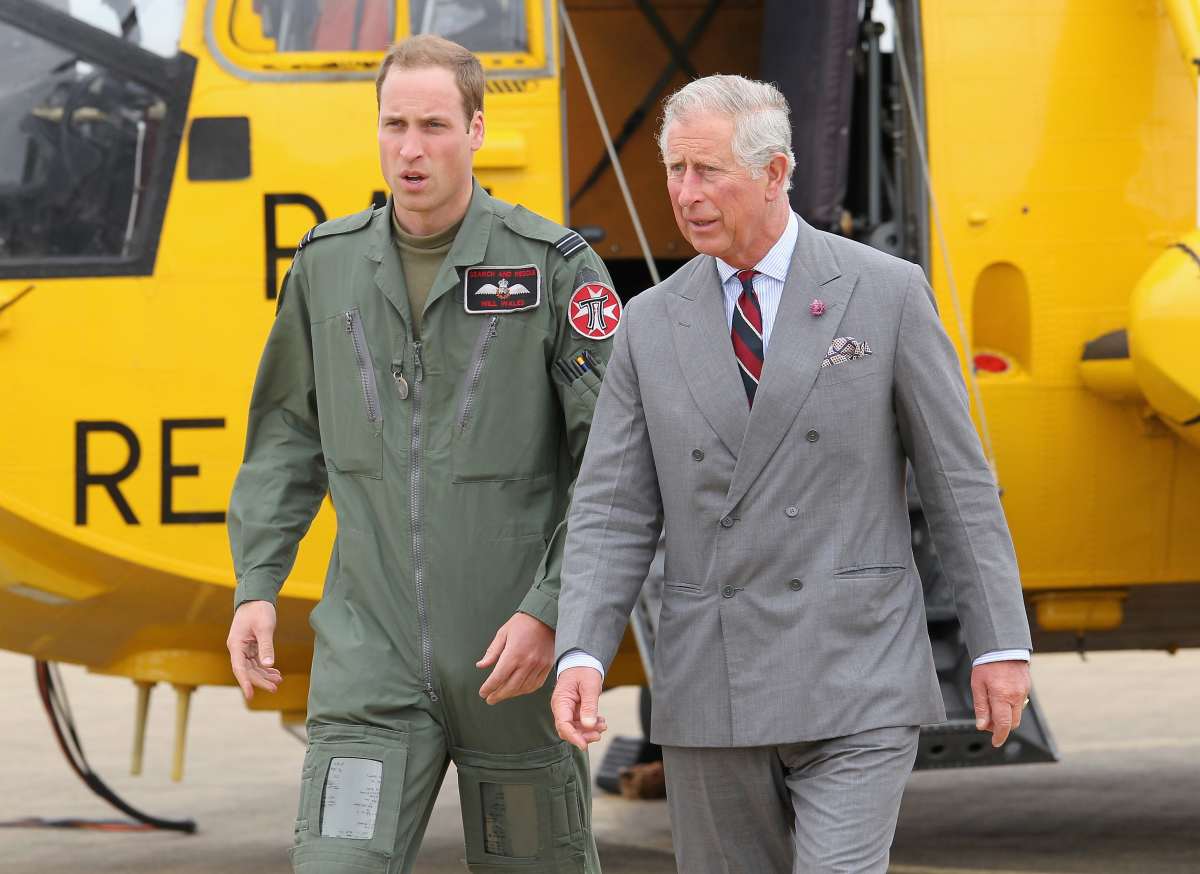
Financial transparency also became essential. This year, the House of Commons Library published a brief on royal finances, which received little public attention despite raising pressing questions. The report showed that the sovereign grant will increase to approximately $168 million for 2025–26, driven by soaring Crown Estate profits. The King also received $36.5 million from the Duchy of Lancaster, along with undisclosed private income from investments, inherited wealth, and family estates such as Sandringham and Balmoral. While the monarch and Prince William have voluntarily paid income tax since 1993, the sovereign grants remain exempt, as do capital gains and, in many cases, inheritance taxes. Together with sovereign immunity and exceptions from key transparent laws, these benefits have raised telling questions about democratic accountability. While the King is currently being praised for being open about his health, the public expects the same level of transparency from the monarchy as a whole.